
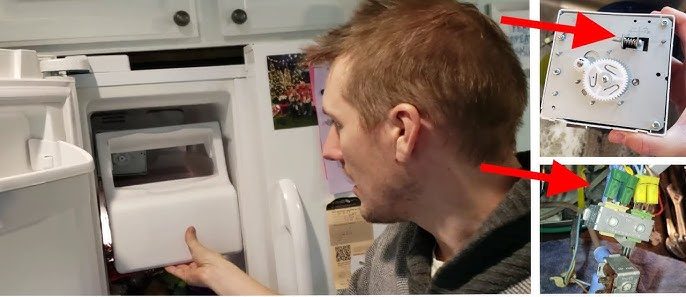
Is your ice maker on the fritz? Is your once-reliable machine producing no ice, strange-looking cubes, or just acting up in general? Don’t fret! Many ice makers experience common ice maker problems. This comprehensive guide dives into troubleshooting and repair solutions for these issues, helping you get your ice maker back to its chill-producing glory!
Understanding Ice Maker Components
To effectively troubleshoot common ice maker problems, it’s essential to understand its key components:
Water Supply Line
The water supply line delivers water to the ice maker from the main water supply or a direct water line connection. It ensures a consistent flow of water necessary for ice production.
Valve
The valve controls the water flow into the ice maker. It opens and closes to allow water into the ice mold during the freezing cycle. A malfunctioning valve can lead to issues such as insufficient water flow or no ice production.
Ice Mold Thermostat
The ice mold thermostat monitors the temperature inside the ice mold cavity. When the temperature drops to a preset level, indicating that the ice is frozen and ready for harvest, the thermostat signals the control module to initiate the ice release cycle.
Ice Ejector Mechanism
Once the ice is frozen and ready, the ice ejector mechanism activates. It pushes the ice cubes out of the mold into the ice bin or dispenser, ensuring that the ice is released properly for use.
Control Module
The control module acts as the brain of the ice maker. It regulates the timing and functions of the ice-making process, including monitoring temperatures, initiating cycles, and controlling water flow. Issues with the control module can disrupt the entire ice-making operation.
Common Ice Maker Problems and Their Solutions
1. No Ice Production
Check Water Supply
Ensure the water supply line is securely connected and free from any blockages caused by debris or ice buildup. A blocked water supply line can prevent adequate water flow to the ice maker, resulting in no ice production.
Inspect Inlet Valve
Test the inlet valve for proper operation by checking for continuity. Use a multimeter to verify if the valve opens and closes correctly during the ice-making cycle. Replace the valve if it fails to operate as expected, which can lead to insufficient water flow or no water entering the ice maker at all.
Replace Water Filter
A clogged water filter can significantly restrict water flow to the ice maker, affecting ice production. Replace the water filter regularly according to manufacturer recommendations to maintain optimal water flow and ice production quality.
2. Poor Ice Quality
Check Water Quality
Impurities in the water supply can affect the taste and clarity of ice cubes. Install a water filter if necessary to improve water quality before it enters the ice maker. A water filter helps remove contaminants and improves ice taste and clarity.
Adjust Freezer Temperature
Set the freezer temperature to approximately 0°F (-18°C) to ensure that ice cubes freeze solid and are clear in appearance. Incorrect freezer temperatures can result in soft, cloudy, or improperly formed ice cubes.
3. Ice Maker Overflows
Inspect the Water Inlet Valve
A malfunctioning water inlet valve may fail to shut off properly, causing water to continuously flow into the ice maker and lead to overflow. Replace the inlet valve if it does not close tightly after water fills the ice mold during the ice-making cycle.
Adjust Fill Level
Check and adjust the fill level adjustment screw located on the ice maker. This screw controls the amount of water that enters the ice mold during each cycle. Adjust the fill level to prevent overfilling, which can cause water overflow and leak.
4. Ice Maker is Noisy
Inspect Water Line
Ensure the water line supplying water to the ice maker is properly installed and securely connected. Vibrations or improper installation of the water line can cause it to rattle against the refrigerator or other surfaces, resulting in noise during the ice-making process.
Clear Ice Obstructions
Inspect the ice maker for any ice buildup or obstructions within the ice mold or ejector mechanism. Remove any ice that may be causing unusual noises such as rattling or grinding during operation. Clearing obstructions ensures smooth ice-making and reduces noise.
5. Ice Maker Leaks
Inspect Water Lines
Regularly inspect and tighten loose connections in the water supply lines leading to the ice maker. Replace any damaged or worn water lines to prevent leaks that could lead to water damage.
Check Drain Pan
Ensure the drain pan beneath the ice maker is positioned correctly and free from cracks. A cracked drain pan can lead to water leakage onto the floor or inside the refrigerator. Replace the drain pan if it shows signs of damage to prevent potential leaks.
DIY Repair Steps
Now that you’ve identified the culprit behind your ice maker woes, let’s get to work! This section dives into how to fix an ice maker yourself with some simple DIY repair steps. Remember, for more complex issues, consulting a qualified appliance repair person is always recommended.
Step 1: Unplug the Ice Maker
Before performing any maintenance or ice maker repair services, disconnect the ice maker from the power source to ensure safety.
Step 2: Identify the Problem
Use our ice maker troubleshooting guide to identify the specific issue affecting your appliance, whether it’s related to no ice production, poor ice quality, leaks, unusual noises, or other operational problems.
Step 3: Gather Tools and Parts
Collect the necessary tools such as screwdrivers, a multimeter for electrical testing, replacement parts, and cleaning materials based on the identified ice maker problems.
Step 4: Perform Repairs
Follow manufacturer instructions or our detailed guides to replace faulty components, adjust settings, clear ice obstructions, or address other issues affecting the ice maker’s performance.
Step 5: Test the Ice Maker
Once repairs are complete, plug in the ice maker and monitor its operation to ensure that the issue has been effectively resolved and the ice maker is functioning correctly.
Conclusion
By following these comprehensive steps and understanding the key components, you can effectively troubleshoot and repair common ice maker problems that may arise. Remember to prioritize safety during repairs and seek professional assistance for complex problems. For further assistance or detailed guidance, feel free to contact our expert team at Expert Viking Appliance Repair or explore additional resources on ice maker maintenance and care.
Become a DIY master! Subscribe for exclusive content and tutorials!