

Key Highlights
- If a Viking refrigerator is not defrosting correctly, it can cause frost to build up. This can lead to uneven temperatures and spoilage of food.
- The defrost system has several parts, like the defrost timer, heater, thermostat, and fan.
- To fix the problem, you often need to check these parts for any issues.
- Sometimes, simple solutions like replacing a broken defrost timer can fix the problem.
- But more serious problems might need help from a skilled Viking appliance repair technician.
Introduction
A Viking refrigerator is an important investment for your kitchen. It’s known for being reliable and working well. But just like any appliance, it can have problems. One common issue is with the defrost cycle. This problem can be annoying and make things harder for you. However, if you know how the defrost process works and what signs to look for, you can fix the issue more easily.
In this guide, we will explore the common reasons why Viking refrigerator is not defrosting properly and what steps you can take to troubleshoot and potentially resolve the issue. Let’s delve into the components of the defrost system in a Viking refrigerator and how they work together to ensure efficient operation. By understanding these key elements, you can better diagnose and address any defrosting issues that may arise, ensuring your refrigerator continues to perform at its best.
Understanding the Defrosting Process in Viking Refrigerators
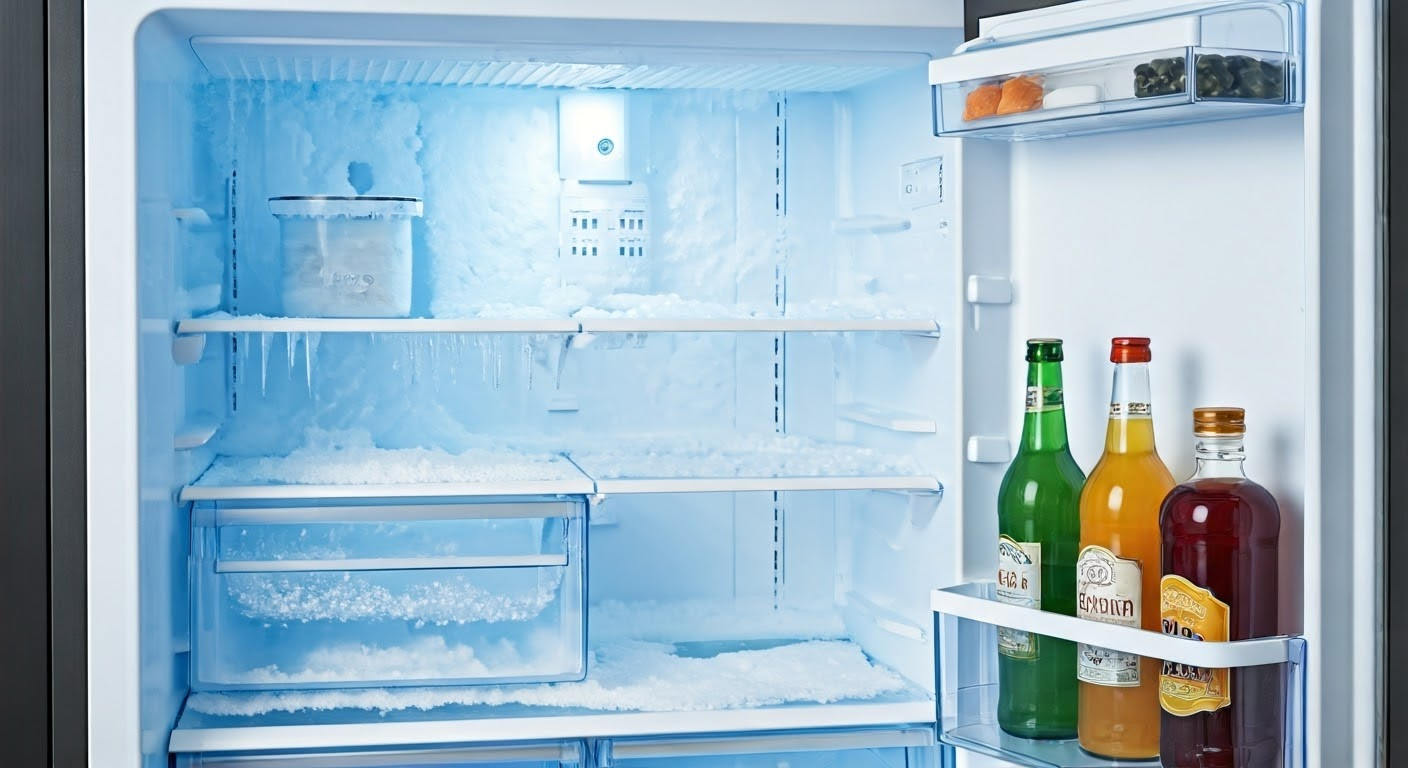
Viking refrigerator have defrost mode system that automatically defrosts. This helps stop frost from building up on the evaporator coils. These coils cool the air in both the refrigerator and freezer sections.
During the defrost cycle, the defrost timer turns off the compressor. It then turns on the defrost heater. This heater warms the evaporator coils gently, melting any frost. The water from the melted frost drains into a pan below the refrigerator and then evaporates.
When the defrost system works well, it keeps the refrigerator cooling effectively. It also stops frost from blocking airflow, allowing the refrigerator to perform better.
Common Symptoms of Defrost Issues
Identifying a defrost problem early can help you save time, money, and food from spoiling. Keep an eye out for these signs:
- Frost buildup: If you see a lot of frost in the freezer, especially on the back wall or near the evaporator coils, it may mean there is a problem with the defrost system.
- Temperature fluctuations: When your refrigerator can’t keep a steady temperature and switches between too warm and too cold, it could show that there is a defrost issue affecting cooling.
- Unusual noises: If you hear clicking or buzzing sounds from the refrigerator after it has been running for a bit, it might suggest there is a problem with the defrost timer or heater that is not working right.
Frost Build-up in the Freezer
One clear sign of defrosting problems in your Viking refrigerator is a lot of frost inside the freezer. This frost usually appears on the back wall and around the evaporator coils, forming a thick ice layer that slows down the cooling process.
When frost builds up on the evaporator coils, it acts like insulation. This keeps the coils from absorbing heat from the air properly. As a result, the refrigerator must work harder and longer to keep the right temperature, which can use more energy and put extra stress on the appliance. Keep an eye out for too much frost, especially if you see the refrigerator running for a long time.
Refrigerator Fails to Maintain Consistent Temperature
A Viking refrigerator that doesn’t keep a steady temperature might have problems with its defrost system. If the defrost cycle is not working right, frost can form on the evaporator coils. This frost makes it hard for the fridge to cool the air well.
Because of this, the temperature in the refrigerator and freezer can change. You might notice that some parts of the fridge are colder than others, or the temperature keeps switching from too cold to not cold enough.
These changes can hurt the freshness and life of your food. They also put extra strain on the refrigerator’s compressor. It tries to fix the temperature by turning on and off a lot.
Unusual Noises from the Fridge Compartment
Viking refrigerators are typically quiet but may produce odd noises due to defrost system issues. These sounds can indicate problems with the defrost timer, heater, or drain system. Addressing these noises promptly can prevent further damage and prolong your refrigerator’s lifespan.
Troubleshooting Steps for a Viking Refrigerator Not Defrosting
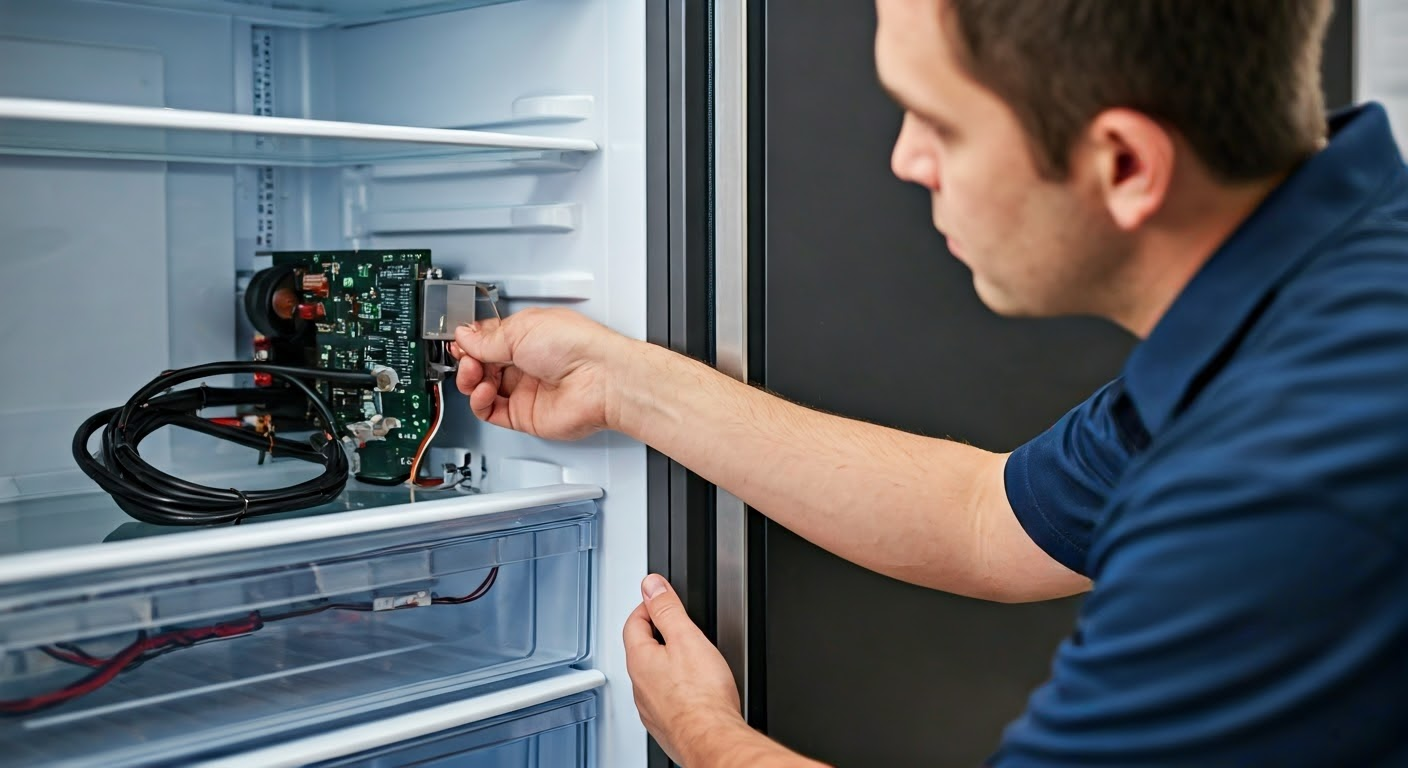
If your Viking refrigerator shows signs of defrosting issues, address them promptly. Simple fixes on how to defrost Viking refrigerator can be DIY, but for complex repairs or safety concerns, seek help from a technician. Always unplug the refrigerator before starting any repair to reduce the risk of electric shock. Let’s identify the cause of the defrosting issue.
Checking the Defrost Timer
The defrost timer in your Viking refrigerator controls the defrost cycle. This usually starts every 6 to 8 hours. If this timer is not working, it may stop the cycle from starting. This can cause frost to build up.
To check the defrost timer, you need to find it. It is often behind a panel inside the refrigerator. Look in your refrigerator’s manual for its exact location and how to access it. You can test the timer by moving it forward in its cycle. If you hear a clicking sound and the compressor turns off, the timer is probably working fine. But if the timer does not move or you hear no clicking noise, it might be broken and needs replacing.
Make sure to unplug the refrigerator before you handle the defrost timer. If you feel unsure about working with electrical parts, it’s best to ask a qualified technician for help.
Inspecting the Defrost Heater
The defrost heater is very important. It helps melt the frost that builds up on the evaporator coils during the defrost cycle. You can find this heater near the evaporator coils, usually behind the back panel of the freezer. If the defrost heater is not working right, it won’t make enough heat. This can cause frost to build up and affect the cooling of the refrigerator.
To check the defrost heater, you need to remove the back panel of the freezer. Make sure the refrigerator is unplugged. Look at the heater to see if there is any damage, like burns or breaks. You can also use a multimeter to check if the heater works. If it does not have continuity, it needs to be replaced.
Be careful when working with electrical parts. If you are not sure about what to do, it is best to call a qualified Viking appliance technician for help.
Testing the Defrost Thermostat
The defrost thermostat, also called the defrost terminator, is a safety device. It helps stop the defrost heater from getting too hot. This device is usually attached to the evaporator coils and checks their temperature. When the coils reach a certain temperature during the defrost cycle, the thermostat turns off the power to the heater to avoid overheating.
If the defrost thermostat is broken, it may turn off the heater too early. This can cause the frost not to be fully removed, leading to frost buildup over time. To test the defrost thermostat, you need to reach it, as it is located near the evaporator coils. First, unplug the refrigerator. Then, carefully take the thermostat off the coils and check its continuity with a multimeter.
Check your refrigerator’s manual for specific steps and safety tips. If there is no continuity, this means the thermostat is faulty and needs to be replaced.
Examining the Evaporator Coils and Fan
The evaporator coils and fan work together to circulate cold air throughout the refrigerator and freezer compartments. The evaporator fan draws air over the evaporator coils, which cool the air by absorbing heat. This chilled air is then circulated throughout the compartments, maintaining the desired temperature.
If the evaporator coils are caked with frost due to a defrosting issue, it restricts airflow and reduces the fan’s efficiency. Similarly, a malfunctioning evaporator fan can disrupt proper airflow, leading to inconsistent temperatures and potential frost buildup.
To inspect these components, you’ll need to access the evaporator coils, usually located behind the freezer back panel. Visually inspect the coils for excessive frost buildup and the fan for any obstructions or signs of malfunction.
|
Component |
Issue |
Solution |
|
Evaporator coils |
Excessive Frost |
Defrost the freezer manually or address the underlying defrosting issue. |
|
Evaporator fan |
Malfunction |
Check for obstructions in the fan blades; replace the fan if necessary. |
DIY Fixes for the Defrosting Issue
If you know what is causing the defrosting problem and feel ready to fix it, some issues can be easily solved at home. Always remember to put safety first. So, unplug the refrigerator before you start any repairs.
If you are unsure about anything or if the problem continues, reach out to a trained Viking appliance technician for help.
Replacing the Defrost Timer
Replacing a faulty defrost timer on your Viking refrigerator is an easy DIY task. It can fix defrosting problems. Before you start, unplug your Viking refrigerator. This will help you stay safe from electrical shock.
Next, find the defrost timer. It is usually behind a panel inside the refrigerator. Check your refrigerator’s manual to know where it is and how to get to it.
When you can see the timer, carefully unplug the wiring harness and take out the old timer. Now, put in the new timer. Connect the wiring harness and make sure it is secure.
Make sure to choose a replacement defrost timer that matches your Viking refrigerator model. After putting in the new timer, plug in the refrigerator. Keep an eye on how it works to make sure the defrost cycle works properly.
Installing a New Defrost Heater
If you think a broken defrost heater is causing issues with your Viking refrigerator, you need to replace it to fix the problem. First, unplug the refrigerator to keep yourself safe from electrical hazards.
Next, find the defrost heater, which is usually near the evaporator coils behind the back panel of the freezer. You may want to check the refrigerator’s manual for help on how to reach it. Once you can see the heater, carefully unplug the wiring harness and remove it from the evaporator coils.
Then, put in the new defrost heater by connecting it to the coils and plugging the wiring harness back in. Make sure the new heater works with your Viking refrigerator model. After you install it, plug the refrigerator back in and check that the heater is working properly. This will help get rid of frost during defrost cycles.
Changing the Defrost Thermostat
If you find that the defrost thermostat, also called the defrost terminator, is the part causing trouble with your Viking refrigerator’s defrost cycle, replacing it can usually fix the problem. Remember to stay safe by unplugging the refrigerator before you start any repairs.
To get to the defrost thermostat, which is usually clipped onto the evaporator coils, you will likely have to take off the back panel of the freezer. You can find detailed steps on how to reach the thermostat in your refrigerator’s manual. Once you can access the thermostat, gently remove it from the evaporator coils and unplug the wiring harness.
To put in the new defrost thermostat, just follow the steps in reverse. Make sure it’s firmly attached to the coils and that you reconnect the wiring harness properly. Once you’ve changed the thermostat, plug the refrigerator back in and watch its defrost cycle. This will help you check if the new thermostat is working well to control the defrost heater and avoid overheating.
When to Call a Professional for Your Viking Refrigerator

While you can fix some defrosting problems in Viking refrigerators on your own, it’s important to know when to call for help. If you are not comfortable working with electrical parts or don’t have the right tools or skills, it’s better to reach out to a skilled Viking appliance repair technician like Expert Viking Appliance Repair.
Trying to fix complex issues without the right knowledge can cause more damage. This may also void your warranty or create safety risks. Our professional technicians have the right skills, tools, and experience to find and fix tough problems. This way, your Viking refrigerator will last longer and work well.
Conclusion
In conclusion, it is important to keep your Viking refrigerator’s defrosting process in good shape. This helps it work well. By knowing the common signs of your Viking refrigerator not defrosting and how to fix them, you can tackle defrosting issues easily. Be sure to check the defrost timer, heater, thermostat, and coils for any issues. If you like DIY repairs, think about replacing parts if needed. If you still have problems, it’s best to get help from us here at Expert Viking Appliance Repair. Taking care of your appliance will help it last longer and work reliably.
Follow us for more engaging content and updates.
Frequently Asked Questions
How often should a Viking refrigerator defrost cycle run?
Most Viking refrigerators have a defrost cycle that runs automatically every 6 to 8 hours. This regular timing helps clear frost from the evaporator coils. This way, it stops frost from building up and keeps the cooling working well.
How long does it typically take to replace a defrost heater?
Replacing a defrost heater in a Viking refrigerator usually takes about 1 to 2 hours. This time is enough to reach the heater, safely unplug and take out the old part, and put in the new one.
Are there any preventative measures to avoid defrost issues?
One good way to stop defrost problems in your Viking refrigerator is to check that the door seals are tight. This keeps warm air out and stops frost from forming. It is also important to clean the condenser coils often. This helps with airflow and keeps the fridge working well.